
What Makes Hyde Park Unique in Chicago’s Real Estate Landscape?
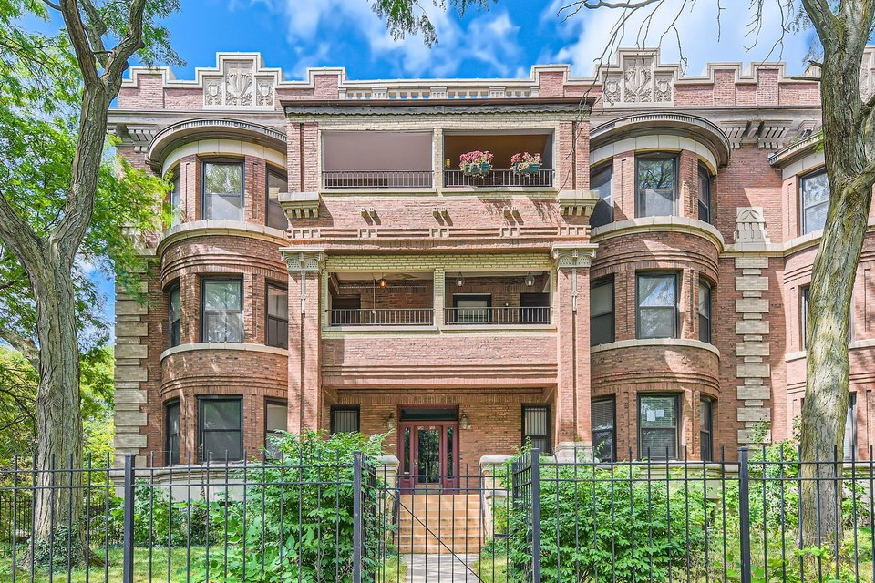
Hyde Park sits on Chicago’s South Side along Lake Michigan and is known for its academic presence and historic character. The neighborhood offers a mix of older housing, steady rental demand, and access to cultural institutions. Many residents choose Hyde Park for its connection to the University of Chicago and its relatively moderate home prices compared to other lakefront areas.
In this guide, you will see how Hyde Park performs in housing, property structure, economic strength, and long-term real estate value. Each section helps you understand what to expect and decide if it is the right fit for you.
Housing Market Overview in Hyde Park
Hyde Park’s housing market appears steady, but the details reveal how it truly functions. Home prices stay lower than those in many well-known Chicago neighborhoods, even with strong demand from the University of Chicago. The area has a limited number of listings, but buyers still have enough options to compare before making a decision. Most demand comes from residents who want to live near the university rather than short-term investors.
Current Housing Snapshot:
- Neighborhood Ranking: #6 in Chicago | #439 in Illinois
- Active Listings: 45 homes for sale
- Median Home Price: $236.25K
- Average Rental Price: $1,307/month
The median home price shows that Hyde Park is more affordable than many lakefront areas in Chicago. At the same time, 45 listings mean buyers are not forced to rush like in tighter markets. The rent level shows that the area attracts a wide range of tenants, including students, faculty, and hospital staff. This keeps demand steady throughout the year instead of depending on market trends.
👉 To understand how these pricing trends and demand patterns are evolving over time, explore the Hyde Park housing market on Houzeo, America’s best home-buying website. Customize your search, save favorites, and submit offers all in one place
Housing Characteristics in Hyde Park
Most buildings in Hyde Park are mid-rise and located along established streets near the university and lakefront. Homes here are generally built for smaller households rather than large families. New construction is limited, so the area keeps its older layout and structure.
- Median Homeowner Costs: $2,247/month
- Homeowner Vacancy Rate: 12.7%
- Home Ownership Rate: 28.9%
- Rental Vacancy Rate: 71.0%
- Family Households: 41.6%
- Median Year Built: 1952.5
Most residents in Hyde Park rent instead of owning. Housing demand comes mainly from students, university staff, and nearby workers. Larger family households are less common in the area. The older construction period explains why the area has more established buildings than new developments.
Types of Homes Available in Hyde Park
Hyde Park’s housing supply is mostly centered around condos. They make up the largest share of available homes in the area. Single-family homes are present, but they are not the main part of the market. Buyers should expect to see more condos and fewer standalone houses when searching here.
- Condo: 60%
- Single Family Home: 20%
- Town House: 11.11%
- Multi-Family: 8.89%
- Manufactured: 0%
- Land/Lot: 0%
Condos are easier to manage and suit people who prefer low-maintenance homes. Single-family homes are fewer, so they are harder to find and often more competitive. Multi-family homes also attract buyers who want to earn rental income.
👉 Browse homes for sale in Hyde Park IL on the Houzeo mobile app. Filter condos, compare limited listings, save favorites, and submit offers instantly from your phone.
Other home styles exist but are limited in number across the neighborhood. These homes attract buyers with specific needs or preferences. Some buyers look for older designs with character, while others focus on certain features or layouts.
Common home styles include:
- Historic Homes
- Homes with Garages or Pools
- Ranch Homes
- Patio Homes
- Lakefront Homes
- Waterfront Homes
- Luxury Homes
These home types show that Hyde Park has variety, but not all types are widely available. Most options are still focused on condos and older residential buildings. Unique home types exist in smaller numbers across the area. Buyers need to search carefully if they want a specific type of home.
Who Lives in Hyde Park
Hyde Park has a predominantly adult population. The area has a strong academic presence and many well-educated residents. It does not have many large family households like outer neighborhoods. It is more suited for adults who prefer an established city environment.
Population: 47,585
Median Age: 33 years
Average Household Size: 2.0 people
Post-Grad Rate (25+): 49.0%
Male to Female Ratio: 44.6% male / 55.3% female
The data shows that many residents are in their working years. Most households are small, including singles, couples, and shared living arrangements. The high education level makes Hyde Park more academic than many other Chicago neighborhoods. There are also slightly more women than men living in the area.
Economic Strength and Local Employment
Hyde Park’s economy is closely tied to the University of Chicago and the University of Chicago Medical Center. These institutions employ a large share of residents in roles such as faculty, researchers, healthcare staff, and administrative workers. The neighborhood also includes local retail, food services, and support jobs that serve students and staff. This creates a workforce that is more focused on education and healthcare than on corporate or finance sectors.
Economic Indicators:
Median Household Income: $52,092
Per Capita Income: $41,410
Poverty Rate: 26.8%
Unemployment Rate: 7.3%
Labor Participation Rate: 62.2%
SNAP Participation Rate: 25.6%
The data shows a clear gap between higher-income professionals and lower-income service workers in the same area. The poverty rate and SNAP use indicate that a large part of the population depends on financial support. At the same time, stable jobs from the university and hospital keep employment steady. This creates a mixed-income neighborhood where both working professionals and lower-income residents shape housing demand.
What Makes Hyde Park Stand Out in Chicago?
Hyde Park offers several advantages that few other South Side neighborhoods can match.
1. World-Class Academic Anchor
The University of Chicago ranks as one of the top universities globally. It attracts talent from around the world and maintains strong housing demand year-round. Many notable figures, including economist Milton Friedman and New York Times columnist David Brooks, have graduated from this university. This strengthens the neighborhood’s reputation, which attracts high-quality residents and supports long-term property value.
2. A Lakefront Neighborhood With an Intellectual Brand
Hyde Park sits along Lake Michigan, but its identity comes from its academic and cultural spaces. Places like the Museum of Science and Industry and the Robie House define the area. The neighborhood is known for learning and culture rather than only lake views. Buyers are drawn to this mix of location and intellectual value.
3. Unusual Mobility for a South Side Neighborhood
Hyde Park allows easy movement through walking, biking, and public transport. Residents use the Metra Electric Line for daily travel. Many daily needs are available around the 53rd Street shopping district. This setup reduces the need for a car. It supports a practical lifestyle for students and working professionals.
4. Historic Stock With Real Architectural Range
Hyde Park has many older buildings that reflect its long history. Areas near the Kenwood show this clearly. Brick buildings, preserved homes, and older layouts define the neighborhood. The area feels established rather than newly developed. Buyers often choose these homes for their design and location instead of newer construction.
5. Presidential Legacy
Barack Obama’s family home is in Hyde Park. The Obama Presidential Center is currently under construction in nearby Jackson Park. EExperts believe this could increase local property values over time.
👉 Is this neighborhood right for you? Discover local trends, utility providers, and essential neighborhood insights in Houzeo’s detailed Hyde Park Chicago, neighborhood guide.
Is Hyde Park a Safe Place to Live?
Hyde Park’s safety profile is mixed but not considered highly unsafe. Serious violent crimes are relatively low based on the data. Property crimes are more common concerns for residents. This pattern is typical for a busy urban area with active streets and many people moving around daily.
Violent Crimes
- Homicide: 2
- Rape:
- Robbery: 2
- Aggravated Assault: 6%
- Kidnapping/Abduction: 0
Property Crimes
- Burglary: 5
- Larceny-Theft: 85
- Motor Vehicle Theft: 8
- Arson: 0
- Theft From Building: 0
Other Offenses
- Simple Assault: 76
- Stolen Property Offenses: 0
- Vandalism: 50
- Weapon Law Violations: 5
- Drug/Narcotic Violations: 0
The data shows notable improvements in neighborhood safety, with significant declines in vandalism, weapon violations, and simple assaults. These positive changes reflect effective policing and community engagement efforts. The primary issue that remains for residents is minor property crime, but overall safety continues to support a stable living environment.
Hyde Park, Chicago: The Bottom Line
Hyde Park stands out because it combines academic reputation, lakefront access, and more affordable pricing. Its housing market mainly suits condos, renters, and smaller households with clear needs. The neighborhood also benefits from steady demand from major institutions, which supports long-term stability. This is what makes Hyde Park different in Chicago’s real estate market. Hyde Park is unique because very few neighborhoods balance reputation and affordability this well. It offers strong cultural value without full luxury pricing.