
 By admin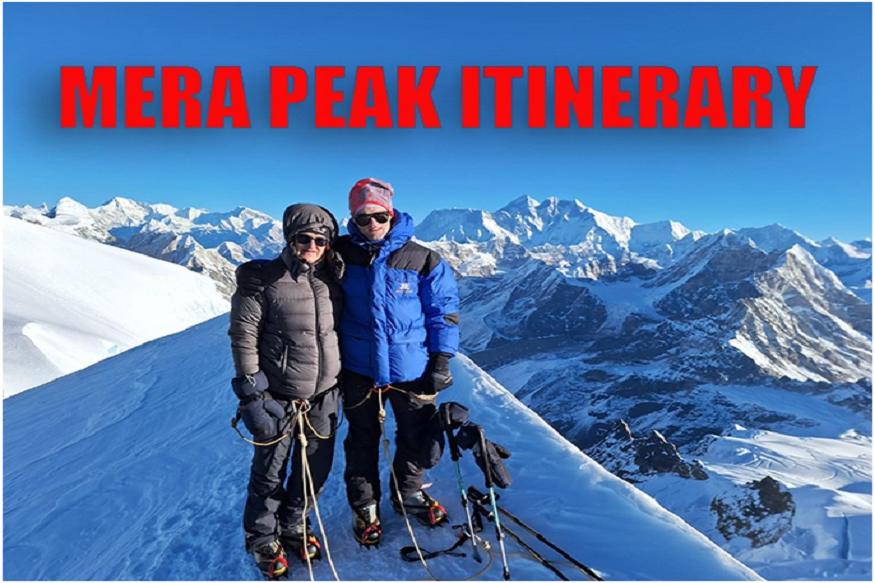
Where Mountains Talk and Dreams Begin
Nepal is not just a place. It’s a feeling. A heartbeat of the Himalayas. A land where wind sings songs to mountains and clouds touch your face. Mera, Island, Lobuche, and Pikey—these are not just names; they are dreams for people who love mountains. They stand quiet and tall, hidden giants waiting for hearts brave enough to walk their paths. These treks are not only about climbing; they’re about feeling alive, feeling small, and feeling everything all at once.
The Soul of Himalayan Adventure
Every trail in Nepal has a story. Every stone got a whisper of wind. When you start walking toward peaks like Mera, Island, Lobuche, and Pikey, you start walking inside yourself too. Some people climb for glory, some for peace, but all find something they didn’t know they lost. These peaks are not Everest, but they carry the same soul. Smaller in name, maybe, but taller in meaning.
Mera Peak Climbing—Touching the Sky Softly
Mera Peak is like a giant with a gentle heart. Standing at 6,476 meters, it’s one of the highest trekking peaks in Nepal. But don’t be scared. It’s friendly for new climbers too. You walk through beautiful forests, rhododendrons shining in red, crossing rivers and villages that smile. The view from the top is something words can’t hold. Everest, Lhotse, and Makalu—all stand together like family, shining white and pure.
Read More:Kavan Choksi UAE Provides Tips for Building a Resilient Portfolio for Volatile Markets
People love Mera because it’s both wild and kind. It teaches patience. Mera Peak Climbing rewards slowly. When you climb, you breathe mountain air so thin, yet so full of life. Nights are cold, stars are close, and every morning feels like a new birth.
Island Peak Climbing—The Heartbeat of the Khumbu
Island Peak (Imja Tse) is like a bright jewel among mountains. It stands near the Everest region, surrounded by Lhotse and Ama Dablam. It’s 6,189 meters tall and full of charm. Many trekkers do this after Everest Base Camp. They call it their next step to big mountains.
The Island Peak Climbing is a mix of rock, snow, and ice. You use ropes, crampons, and dreams. You feel adventure in every breath. Island Peak got its name because it looks like an island in a sea of ice. From the top, everything below looks like heaven fallen asleep.
People say Island Peak is not just a climb. It’s a connection. Between you and the Himalayas. Between your fear and your courage.
Lobuche Peak Climbing—Where Ice Meets the Sky
Lobuche is tough. Strong. Sharp like a blade of snow. It sits close to Everest Base Camp, standing proud at 6,119 meters. Climbers say it’s more technical than Island or Mera. You need good legs, a strong heart, and mountain love.
The path goes through Sherpa villages, mani stones, and glaciers that crackle under the sun. You train with your guide, use your tools, and slowly rise above clouds. From Lobuche top, you see Everest right in front of your eyes. It’s like looking at a dream standing tall.
Lobuche Peak Climbing is for those who want a little more challenge, a little more thrill. It’s not easy, but when you stand up there, you forget the pain, the cold, and the world.
Pikey Peak Trek—Where Serenity Lives
Not all peaks need ropes. Some just need a heart. Pikey Peak is one of them. It’s around 4,065 meters but gives a view of Everest that even high peaks can’t match. Sir Edmund Hillary said it’s his favorite view of Everest.
This Pikey Peak Trek is for peace lovers. You walk through green hills, yak pastures, Buddhist monasteries, and villages where time moves slowly. Sunrise from Pikey is golden magic. You see eight of the world’s highest peaks glowing together.
The trek is short but soulful. Perfect for people who want Himalayan magic without tough climbing. Every step is music. Every smile from local people is warmth that stays forever.
The Hidden Power of Small Peaks
People always talk about Everest, Annapurna, and Manaslu. But hidden giants like Mera, Island, Lobuche, and Pikey are what make Nepal truly special. They are quieter, less crowded, and more human. You meet people, not just trekkers. You share laughter, not just steps.
In these climbs, you learn humility. You see nature’s power and beauty. The snow teaches you calmness. The wind teaches you balance. Mountains teach you to breathe again.
The Journey Through Culture and Faith
Each trail carries more than scenery. It carries stories of Sherpa, Tamang, Rai, and Gurung people. You see colorful prayer flags flying high, spreading blessings with every wind blow. You hear bells from monasteries, smell butter lamps, and taste dal bhat cooked with love.
Culture here is not separate from trek. It’s part of it. You sleep in small teahouses, listen to stories from guides, and share tea with strangers who become family. That’s the real treasure.
The Trails and the Training
Mera, Island, and Lobuche are climbing peaks, so you need some training. Walking with weight, learning to use ice axes, crampons, and ropes. Guides help you. Nepal has some of the world’s best climbing guides. They are not just professionals; they are protectors.
Pikey Peak doesn’t need climbing tools, but it still needs stamina. Long walks, steep paths, thin air. So prepare your body. Walk, jog, or climb stairs before coming. Your body will thank you when you face the mountain.
Equipment for the Peaks
Pack right, climb right. You’ll need warm jackets, gloves, a down sleeping bag, climbing boots, and a harness. For Mera Island and Lobuche—helmet, crampons, rope, ice axe, and headlamp. For Pikey—lighter gear, but still layers because cold doesn’t joke.
Good gear keeps you safe. Don’t save money on shoes or a jacket. Mountains respect those who respect them.
Best Time to Climb and Trek
The best time for all these peaks is spring (March to May) and autumn (September to November). During these months, the weather stays clear, the sky opens up, and the mountains shine like silver gods.
Winter is harsh. Summer brings rain. But if you like solitude and can handle the chill, even winter treks have magic.
The Magic of Altitude
Above 4,000 meters, every breath is treasure. Altitude sickness can come. So walk slowly, drink water, and listen to your body. Guides help you if anything happens. Climbing is not a race. It’s rhythm.
Why Choose These Treks?
Because they show the real Nepal. Not just big names. Mera shows wilderness. The island shows adventure. Lobuche shows strength. Pikey shows peace. Together, they show everything beautiful about trekking in Nepal.
They are perfect for people who want both challenge and calmness. Who wants to climb but also to feel. Who want to see the world from above and themselves from inside.
The People Who Make It Possible
Guides, porters, and cooks—they are heroes. Without them, no trek can happen. They carry your load, cook your meals, and share their wisdom. Treat them with respect. They make your dream real.
Local trekking companies in Nepal organize everything—permits, flights, logistics. Choose one that cares for the environment, for safety, and for the local community. That’s how you climb with heart.
The Reward Beyond Summit
Reaching the top is not everything. The real treasure is the journey. The friends you make, the fear you overcome, the sunrise you watch from the mountain edge. Those moments stay forever.
Read More:Charles Spinelli On HR Strategies For Business Branding
After you return, your body may feel tired, but your soul feels big. That’s what climbing does. It makes you grow without saying a word.
Nature’s Rhythm and the Human Heart
Mountains talk in silence. You listen with your heart. When you walk through a rhododendron forest, when wind touches your cheek, you realize how small and big you are at the same time.
Each peak gives a different rhythm. Mera whispers adventure. Island sings challenge. Lobuche hums courage. Pikey hums peace. Together, they form a song called Nepal.
The Dream That Never Ends
Even when you return home, these peaks stay in your mind. You close your eyes; you see them shining. You remember how your boots touched snow, how prayer flags fluttered in the wind, and how sunrise burned golden on white peaks.
Nepal’s hidden giants don’t leave you. They live with you, quietly, softly. And one day, maybe, they call you back again.
Final Words from the Mountain Path
Mera, Island, Lobuche, and Pikey—these are not just treks. They are stories written in snow and stone. They are not about reaching high but about feeling deep.
If you ever dream to walk among clouds, to taste wind, to hear silence—come to these peaks. They wait. Always.
Contact Details
Company address: Everest Trekking Routes Pvt. Ltd.
16 Khumbu, Nayabazaar, Kathmandu, Nepal
Mobile : +977-9843467921 (Rabin)
Email: [email protected]
URL:– www.everesttrekkingroutes.com